

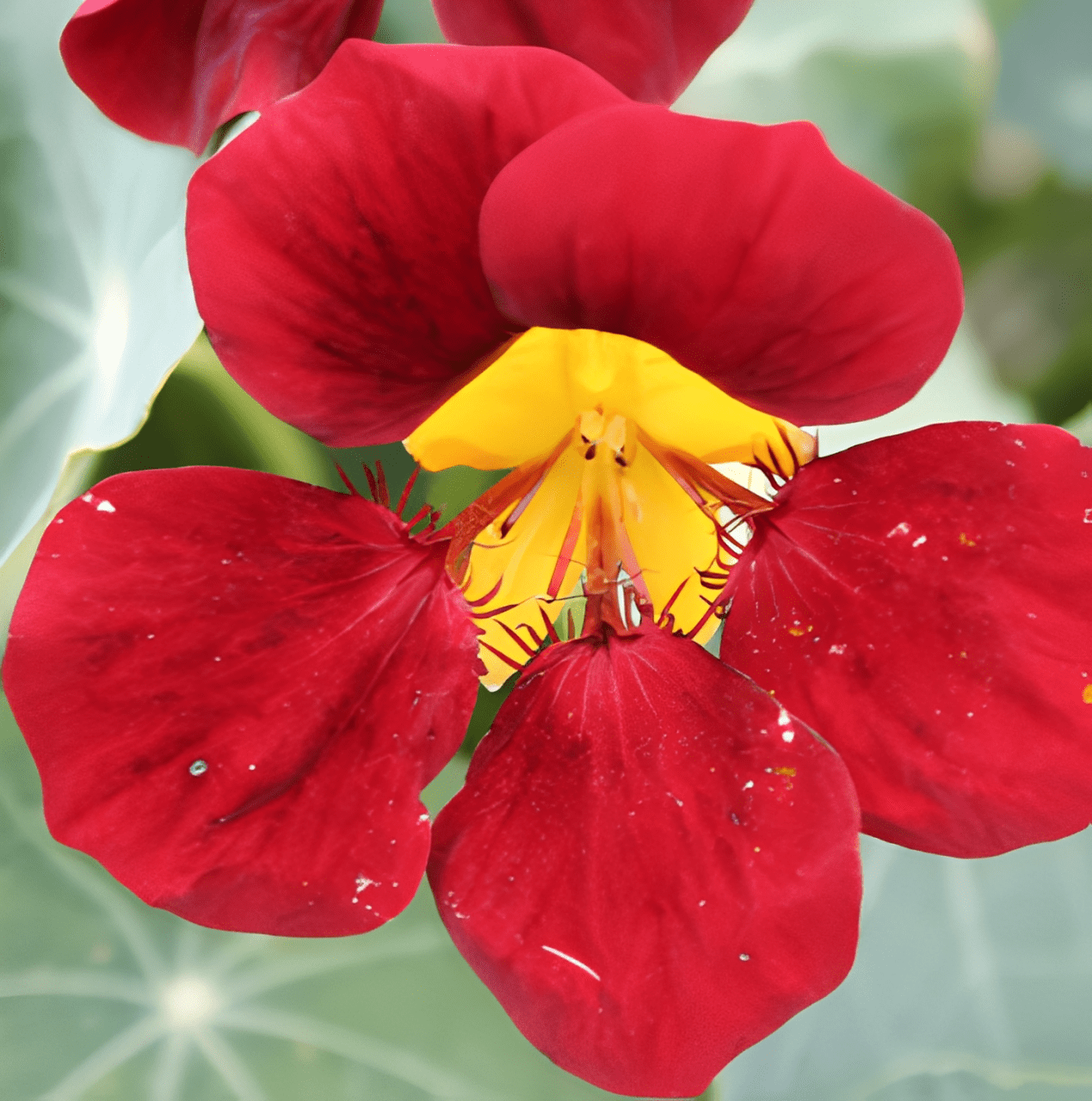
Nasturtium Seeds Tropaeolum majus – Fast‑Growing Annual Flowers for Borders Containers Planting
$ 26.91
Description Nasturtium Seeds Tropaeolum majus – Vibrant, edible flowers with a peppery flavor and attractive, lily-pad-like foliage An easy-to-grow annual with round, water-repellent leaves and spurred, trumpet-shaped blooms in brilliant yellows, oranges, reds, and creamy whites. Edible flowers add a spicy, watercress-like taste to salads and garnishes. Excellent for borders, containers, hanging baskets, and as a companion plant. Thrives in full sun and tolerates poor soils. Common Name: Nasturtium, Garden Nasturtium Latin Name: Tropaeolum majus Plant Height: Bush 12–18 in (30–45 cm); Trailing 4–6 ft (1.2–1.8 m) Seeds per Gram: ≈ 6–8 seeds/gram (large seeds) Life Cycle: Annual (fast-growing, blooms until frost, self-seeds) Available Color: Mixed: Orange, Yellow, Red, Cream Non-GMO · Open-pollinated · Heirloom variety · Edible blooms with peppery zest · Easy to grow Nasturtium · Botanical & Variety Details Common name(s)Nasturtium, Garden Nasturtium, Indian Cress Latin nameTropaeolum majus – classic heirloom selection with single and double forms available Mature heightBush: 12–18 in (30–45 cm); Trailing/climbing: 4–6 ft (1.2–1.8 m) or more, depending on support Seeds per gram~6–8 seeds/gram (approx. 170–225 seeds/oz) — large, easy-to-handle seed Growth cycleAnnual — rapid growth, profuse blooms from early summer until first frost; self-seeds readily in mild climates Ornamental periodLate spring to first frost (continuous bloom if picked regularly; deadheading encourages more flowers) Unique trait Edible, peppery blooms and leaves · Round, water-repellent leaves · Attracts pollinators and beneficial insects · Natural pest repellent �� Planting & Growing Guide �� Best planting seasonSpring after last frost, or early autumn in frost-free climates (zones 9–11). Direct sow recommended. ��️ Ideal temperature15–20°C (60–68°F) for germination; grows best in 15–25°C (60–77°F). Protect from frost. ☀️ Shade requirementFull sun for best flowering (at least 6 hours of direct sun). Tolerates light shade, especially in very hot afternoon conditions, but may produce fewer blossoms. �� Sowing rate (per m²)2–3 grams per square meter (approx. 12–24 seeds/m²) for a lush, full display. Adjust based on variety vigor. �� Sowing depth1.5–2 cm (1/2–3/4 inch) — cover with soil and firm gently. Soaking seeds overnight can speed germination. �� Water & careKeep evenly moist until germination (7–14 days). Once established, water moderately; drought tolerant. Avoid over-fertilizing, which promotes leaves over flowers. �� Spacing after thinningThin or transplant to 25–30 cm (10–12 inches) apart to allow good air circulation and full development. �� Days to bloomApprox. 55–65 days from sowing (first flowers appear early to mid summer, continuing until frost). Sun requirement: Full sun yields the most prolific blooms and richest flower colors. In partial shade, plants may grow more foliage and fewer flowers. Provide light afternoon shade only in extremely hot zones (9 ). Pro density tip: For a lush groundcover or hanging basket effect, sow 3 g/m² and thin to 10–12″ apart. For mass landscape displays, 2 g/m² works well. Succession sow every 3–4 weeks for extended harvests. Sowing quick guide: Spring · Full sun to part shade · 2–3 g/m² · Cover 1.5–2 cm deep Germination 15–20°C | Full sun for abundant blooms Harvest flowers and young leaves for culinary use — they add a peppery, watercress-like kick to salads and garnishes. Pickle green seed pods as a caper substitute. Deer resistant · Excellent companion plant (repels aphids & squash bugs) · Loved by pollinators.