
Hardy Biennial Wildflower Common Teasel Seeds for Cut Flowers – Dipsacus fullonum
$ 62.91
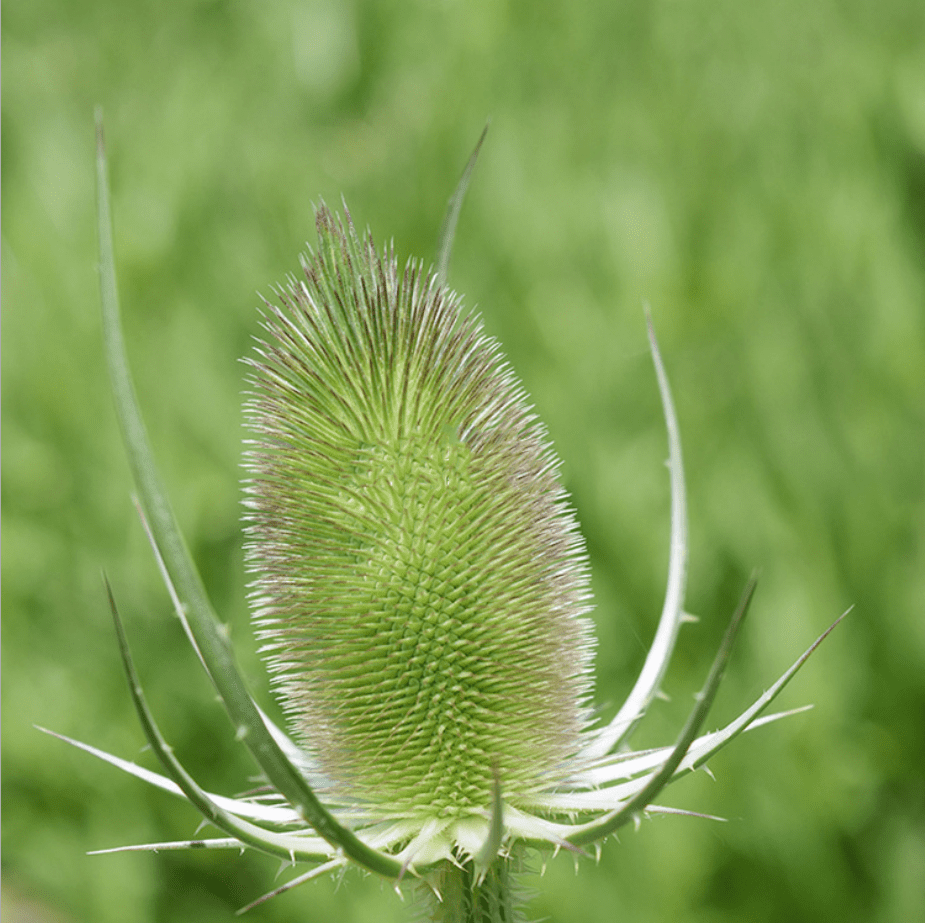
Description Fuller’s Teasel Seeds Dipsacus fullonum – architectural biennial with spiny, cone-like flower heads; prized for dried arrangements and wildlife An imposing biennial forming a bold rosette of prickly leaves in the first year, then sending up towering, branching stems crowned with cylindrical flower heads surrounded by spiky bracts. The tiny lavender-pink florets open in rings and attract bees, butterflies, and finches. The dried seed heads are iconic in winter bouquets and naturalistic plantings. Common Name: Fuller’s Teasel, Common Teasel Latin Name: Dipsacus fullonum Plant Height: 48–78 in (120–200 cm) Seeds per Gram: ≈ 340–420 seeds/gram Life Cycle: Biennial (rosette year 1, blooms year 2) Flower Color: Soft lilac to mauve, occasionally white Non-GMO · Open-pollinated · Heirloom · Excellent dried flower & bird food source Botanical & Variety Details Common name(s)Fuller’s Teasel, Common Teasel, Wild Teasel, Venuscup (historical use in wool processing) Latin nameDipsacus fullonum (syn. Dipsacus sylvestris) – classic wild teasel of Europe and Asia Mature height120–200 cm (48–78″) — towering, sturdy stems with candelabra-like branching Seeds per gram~340–420 seeds/gram (approx. 9,600–11,900 seeds/oz) Growth cycleBiennial — first year forms a spiny basal rosette; flowering stems arise in second summer Ornamental periodFlowers from mid‑ to late summer (year 2); persistent seed heads provide winter interest Unique trait Spiny, sculptural heads · Leaves clasp stem to form “cups” that collect rainwater · Goldfinch magnet �� Planting & Growing Guide �� Best planting seasonEarly spring to early summer (after last frost); can be sown in late summer for overwintering rosettes ��️ Ideal temperature65–70°F (18–21°C) for germination; established plants tolerate heat and light frost ☀️ Shade requirementFull sun (6 hours daily) for best stem strength and blooming. Partial shade results in floppy growth and fewer flowers. �� Sowing rate (per m²)0.2–0.5 gram per square meter (approx. 70–200 seeds/m²) for naturalistic drifts; adjust based on desired density. �� Sowing depthSurface sow or press lightly into soil — seeds need light to germinate. Cover only with a very thin layer of fine vermiculite (1–2 mm). �� Water & careKeep seedbed moist until germination (14–21 days). Once established, teasel is drought‑tolerant; water deeply but infrequently. �� Spacing after thinningThin to 12–18 inches (30–45 cm) apart to allow for mature width and good air circulation. �� Time to bloomSecond year after sowing — blooms appear mid‑ to late summer and last through early autumn. Sun requirement: Full sun is essential for strong, upright stems and maximum flower production. In shade, teasel becomes leggy and the iconic seed heads are smaller and sparse. Shelter from strong wind in exposed sites. Pro sowing tip: For dried flower production, sow at 0.5 g/m² and thin to 15″ apart. Teasel self‑seeds readily — allow a few heads to stand for goldfinches and natural regeneration. Cut back spent stems after seed dispersal if self‑seeding is not desired. Sowing quick guide: Spring–early summer · Full sun · 0.2–0.5 g/m² · Surface sow Germ. 65–70°F | Full sun vital for strong stems & seed heads Harvest seed heads when they turn golden‑brown for everlasting dried arrangements. Teasel stems are prickly — wear gloves when handling. Deer resistant · Exceptional for wildlife gardens, winter silhouettes, and cottage borders.